
Chasing Egrets, Pelicans and Herons
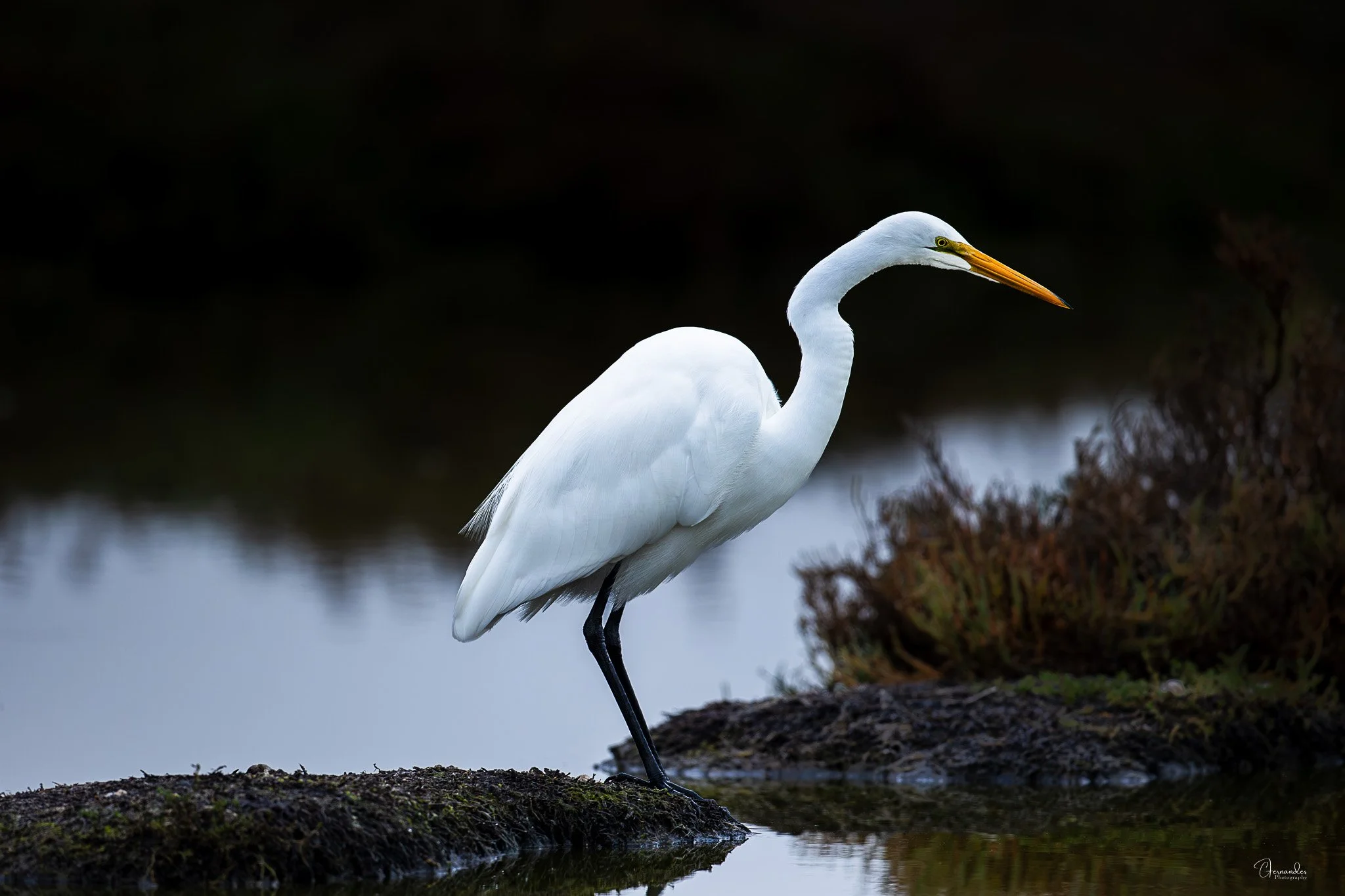
The San Francisco Bay Area is often known for its abundant sunshine, but local photographers know that a cold, foggy morning offers a unique, atmospheric canvas for wildlife photography. Recently, in early December, I ventured out to the Don Edwards San Francisco Bay National Wildlife Refuge with my camera gear to put this theory to the test.
What I found was a peaceful landscape and some incredible opportunities to capture the quiet beauty of the refuge's winter inhabitants.
The Atmosphere: A Different Kind of Beauty
It was a classic Bay Area winter morning: cold, damp, and thick with fog that obscured the usual panoramic views of the bay and the distant hills. At 7 in the morning, it was just me and the birds. While the sun typically highlights the vibrant colors of the salt ponds and the deep blues of the water, the fog acted as nature's softbox, diffusing the light and creating a low-contrast, moody environment perfect for intimate shots.
Wildlife Sightings in the Winter Fog
December is an excellent time for birdwatching at Don Edwards NWR, as the refuge sits along the Pacific Flyway, a major migratory route. The cold weather didn't deter the local and migratory bird populations. I primarily walked the flat, well-maintained trails near the visitor center (New Chiacgo Trail and Mallard Slough Trail) to maximize my chances for close encounters.
Here are some of the species I spotted and managed to photograph through the mist:
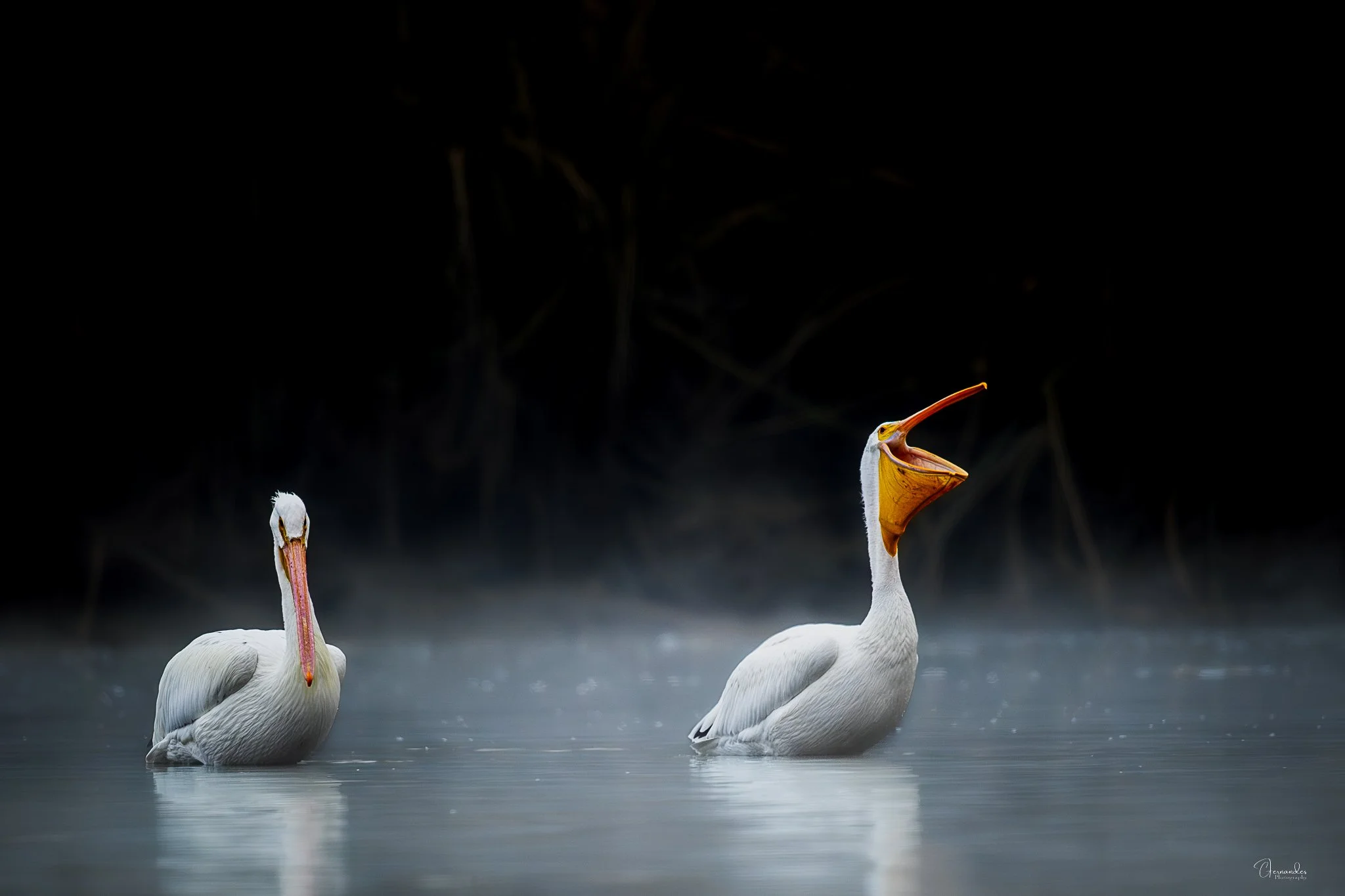
Egrets and Pelicans: The large white birds were the stars of the show. I spotted elegant Snowy Egrets and Great Egrets standing like statues on the mudflats. Further out, a flock of majestic American White Pelicans drifted silently across the waters of the Mallard Slough. The fog provided a clean, uncluttered background, making their bright white plumage truly pop in the frame.
Ducks and Waterfowl: Concentrations of Northern Pintails, Northern Shovelers, and Canvasbacks were rafted up in the open water of the salt ponds. The fog added a layer of mystery to the flocks, requiring a longer lens to isolate individuals from the group.
Great Blue Herons: These were more difficult to spot and even more difficult to photograph. I spotted a couple of these beautiful birds but simply could not get into a good position for the right composition.
Shorebirds: I saw numerous sandpipers (likely Western Sandpipers and Dunlins) and Black Necked Stilts actively foraging on the exposed mudflats. Their quick movements made for a fun challenge, and the soft light made their subtle plumage details easier to capture.
Photography Tips for a Foggy Day
Photographing wildlife in foggy, cold conditions requires a few adjustments to your usual routine.
Protect Your Gear: The air was damp and cold. Use a simple plastic bag to cover the camera and lens when not actively shooting to minimize condensation build-up.
A Long Lens is Key: At a wildlife refuge, you need distance. A telephoto lens (300mm or more) is essential to get compelling shots without disturbing the animals. I used the Canon RF 600mm F4 lens on this trip.
Experiment with Shutter Speed: For stationary birds, a slower shutter speed worked fine to let in more light. Given I was using a 600mm lens, my shutter speed for stationary birds was 1/1000s of a second going up to 1/2500s for birds in flight.
Embrace the Mood: Don't fight the fog trying to make the scene look bright and sunny. Lean into the natural mood. The fog simplifies the scene, making your subject the undisputed focal point and providing a painterly, minimalist aesthetic to your photos.
Final Thoughts
My foggy, cold visit to the Don Edwards NWR was an unexpected success. The conditions forced me to see the landscape differently and resulted in some of my most atmospheric wildlife shots to date.
The refuge is a wonderful oasis in an otherwise urban area, offering free admission and endless opportunities for nature immersion. If you find yourself with a foggy day in the Bay Area, don't stay home. Grab your jacket, charge your camera battery, and head out to the bay—you might be surprised by the peaceful beauty you find. You can learn more about planning your visit, including trail maps and hunting season dates, on the official U.S. Fish and Wildlife Service website.