
Flamingos of Celestún
Last week, just after dawn, I found myself gliding quietly through the mangrove channels of Celestún, Mexico, the paddle of a canoe barely disturbing the still water. The air was cool, the light soft and low, and the mangroves felt suspended between night and day. It was the kind of morning that slows everything down.
At around 7:00 a.m., the first flamingos arrived.
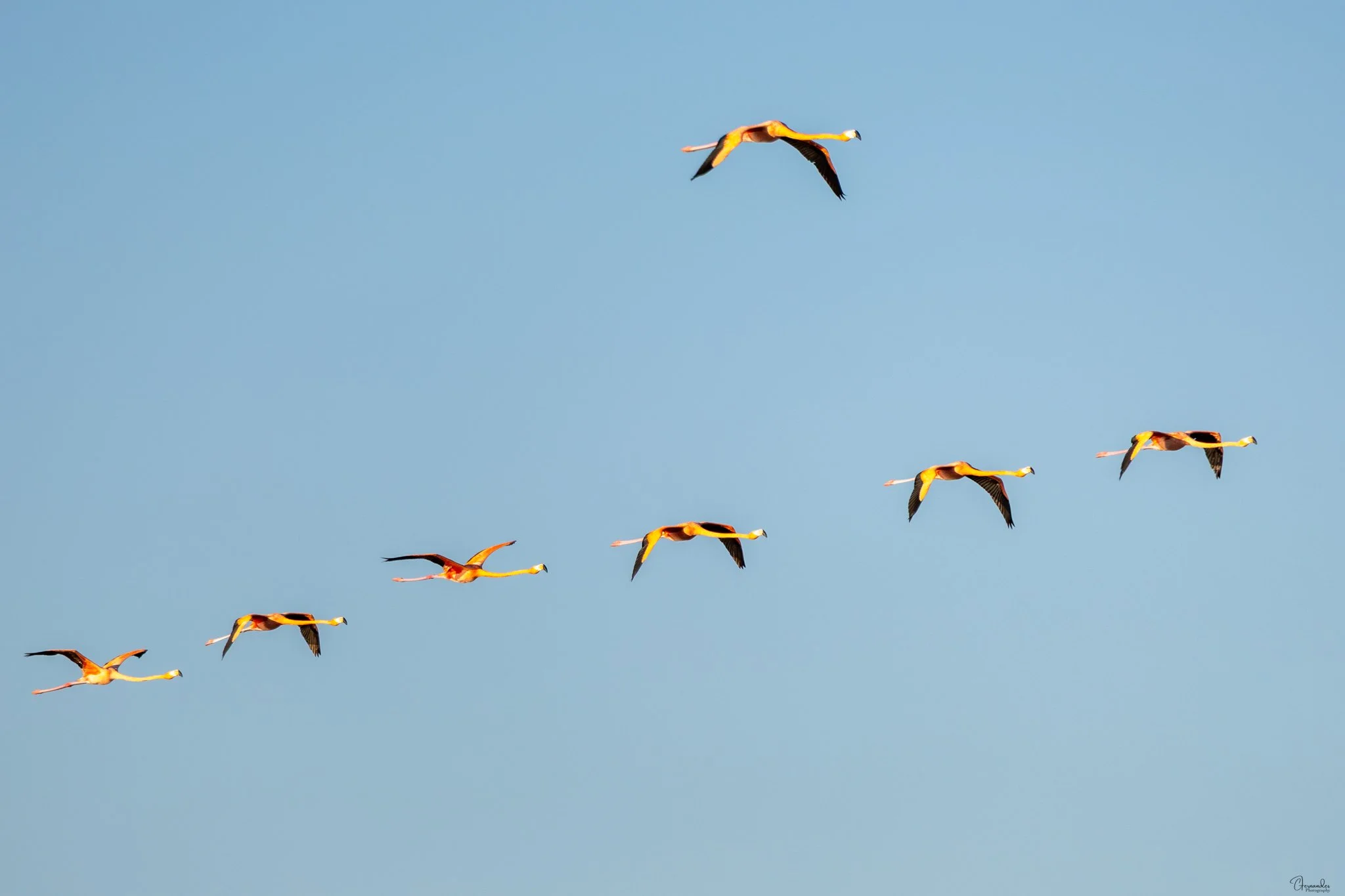
The Fly-In at First Light
They flew in low and fast, long wings catching the early light, before settling into the shallow lagoons beyond the mangroves. What followed was a quiet spectacle—dozens of flamingos feeding, wading, and moving in loose synchrony as the sun crept higher.
There was no rush, no drama. Just rhythm and repetition. Watching them arrive felt less like witnessing an event and more like being let into a daily routine that has played out here for generations.
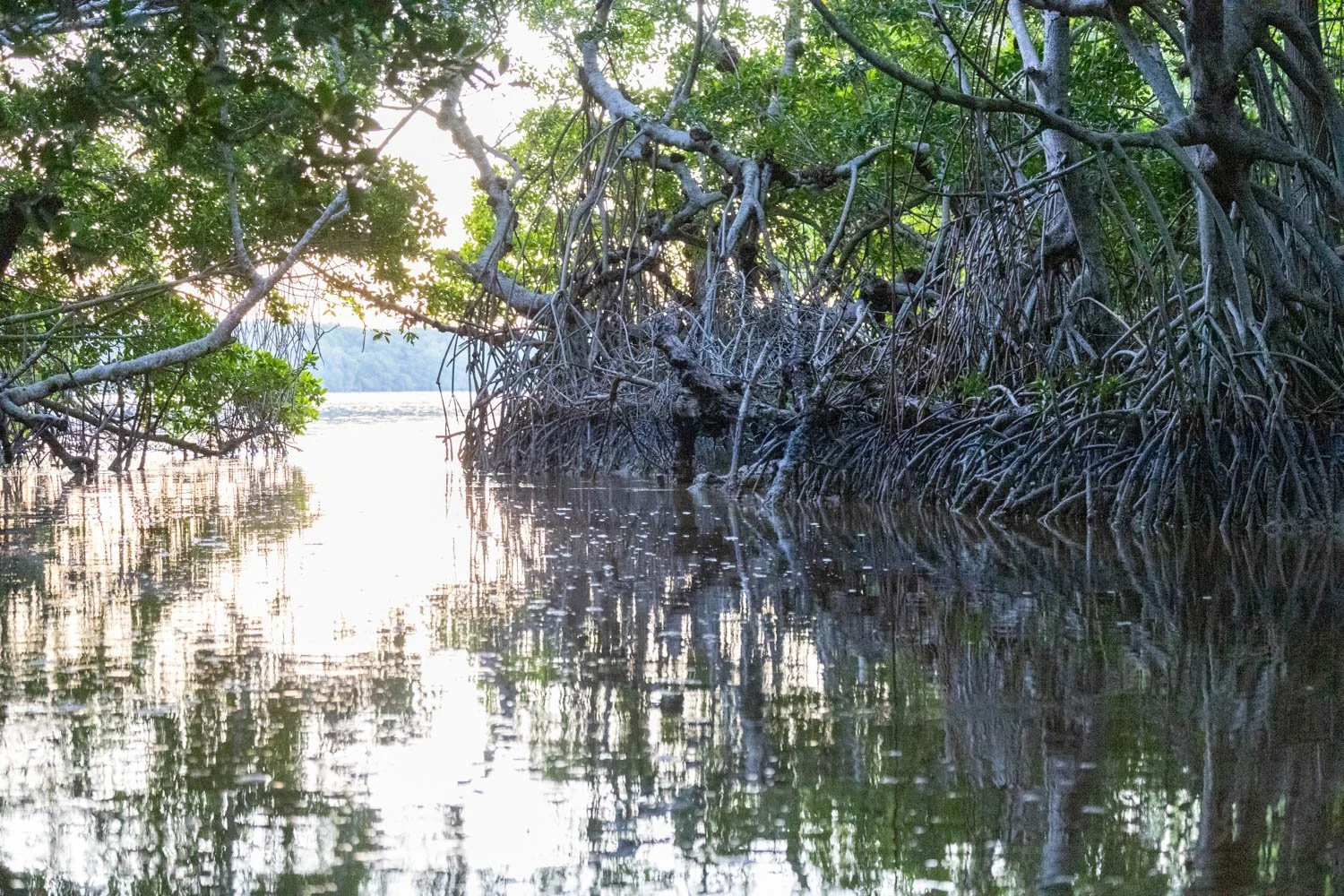
Moving Through the Mangroves by Canoe
Celestún’s mangrove forests act as a natural gateway to the coastal lagoons where flamingos gather. Moving through them by canoe—rather than motorboat—creates an entirely different experience. The absence of engine noise allows the landscape to remain intact: birds call from the canopy, water ripples gently, and wildlife carries on uninterrupted.
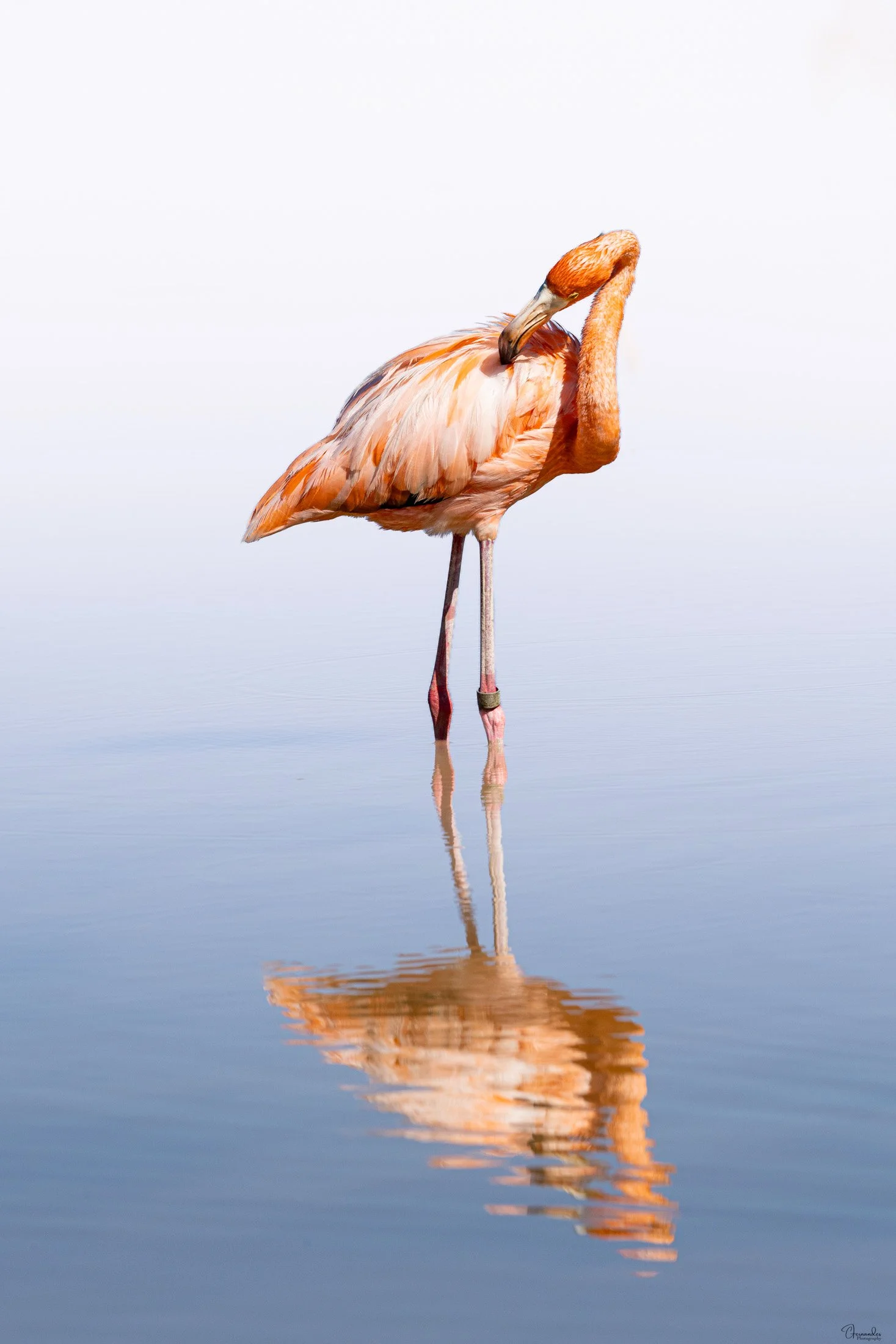
For a photographer, this stillness matters. Flamingos are sensitive to disturbance, especially during feeding hours. The early start and low-impact approach made it possible to observe and photograph them behaving naturally—heads submerged, slow steps through shallow water, occasional bursts of motion as groups repositioned.
Guardianes de los Manglares de Dzinintún offers canoe and kayak tours. Isaac our guide spoke really good English, was very knowledgable and extremely helpful. He even stayed with us longer than our allotted tour time so I could capture the images I wanted.
Why Celestún Matters for Flamingos
Celestún is one of the most important flamingo habitats in Mexico. The shallow, mineral-rich waters support algae and small invertebrates that provide both their primary food source and the pigments responsible for their iconic pink coloration.
But none of this exists in isolation.
The health of these lagoons is directly tied to the surrounding mangrove ecosystems.
Mangroves: The Quiet Foundation of the Ecosystem
Mangroves are often overlooked, yet they are among the most productive ecosystems on Earth. In Celestún, they serve several critical roles:
Protect coastlines from erosion and storm surge
Act as nurseries for fish and invertebrates
Filter water and maintain lagoon health
Provide shelter and feeding grounds for countless bird species
Without healthy mangroves, the flamingos would not be here.
Protecting a Biosphere Reserve
Celestún is designated as a biosphere reserve, and conservation efforts here are closely tied to the local community. Regulated tourism, trained local guides, and limits on boat traffic all help reduce stress on wildlife while still allowing visitors to experience the ecosystem responsibly.
Mangrove restoration projects, water quality monitoring, and education programs aim to preserve this balance—not just for flamingos, but for the entire web of life that depends on these wetlands.
Choosing low-impact tours and respecting wildlife guidelines plays a direct role in protecting this place.
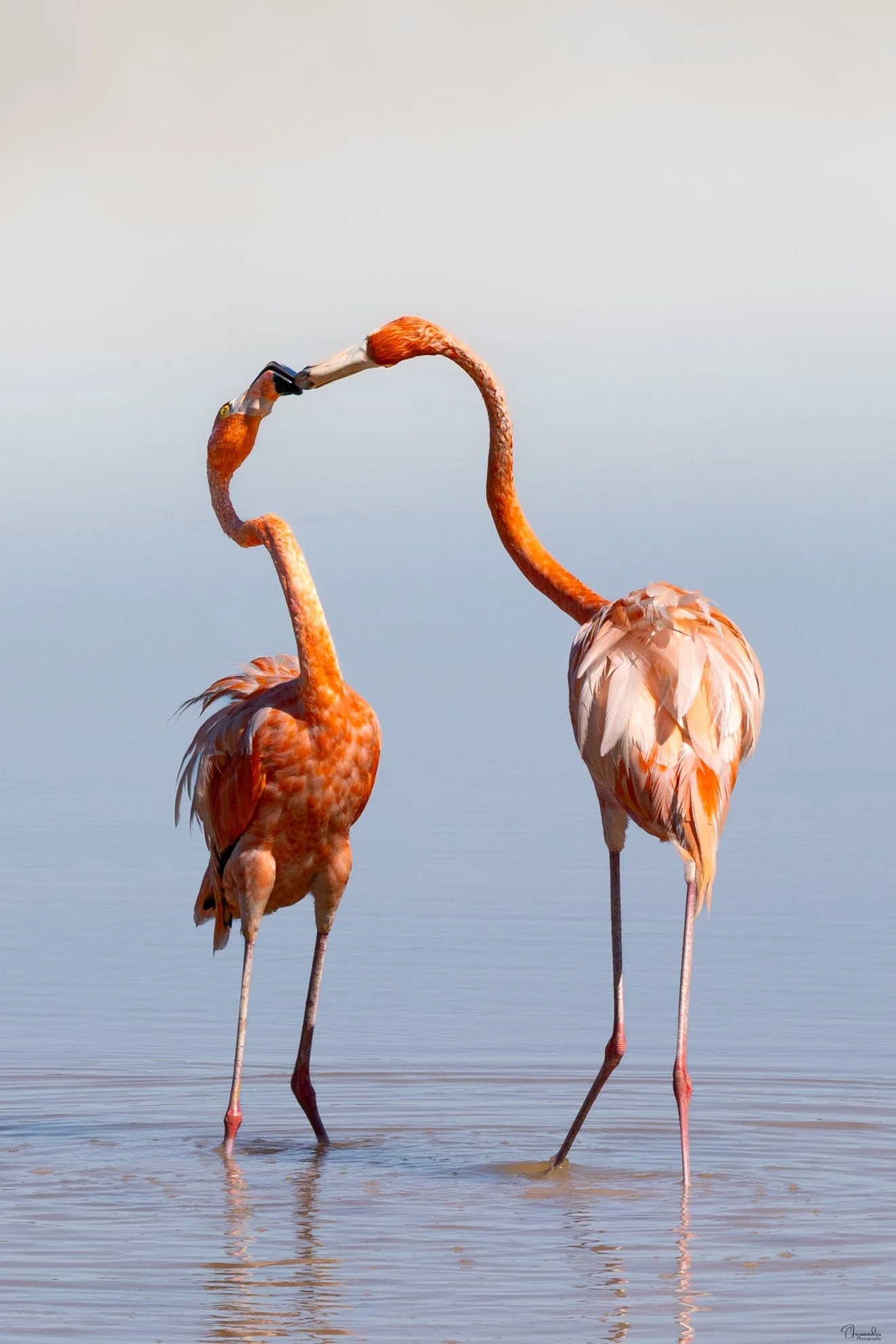
Watching the flamingos arrive at sunrise was a reminder that wildlife photography is as much about patience and presence as it is about images. The best moments often happen when we move slowly, observe quietly, and allow behavior to unfold naturally.
In Celestún, the flamingos are not a spectacle staged for visitors. They are part of a living system. Photographing them felt less like capturing a subject and more like witnessing a relationship between land, water, and time.
As the light strengthened and the lagoons filled with color, it became clear why Celestún is so special. This is not just a destination for seeing flamingos—it’s a reminder of how interconnected ecosystems truly are.
Protecting mangroves means protecting flamingos. And preserving moments like a quiet 7 a.m. fly-in ensures that these wetlands remain vibrant for generations to come.
Sometimes, the most powerful stories in nature are the quiet ones.
Sources & further reading:
CONANP (Comisión Nacional de Áreas Naturales Protegidas) – Information on the Celestún Biosphere Reserve, its protected status, and conservation management
Ramsar Convention on Wetlands – Background on wetland and mangrove importance, ecosystem services, and global conservation frameworks
BirdLife International – Flamingo ecology, habitat requirements, and wetland dependence
National Audubon Society – Mangrove ecosystems, coastal protection, and bird habitat relationships