
Yellowstone in winter
Much has been written about Yellowstone National Park - from how it is a super volcano that could end the world, to the demise and return of the native bison, to its incredible beauty. My first trip to Yellowstone was in the mid-2000s. It was August and likely had more humans and cars than wildlife. The stress of traffic jams, long lines aside, Yellowstone it turns out is a photographer’s paradise. It was then I decided to come back but to do so in spring and winter.
Yellowstone National Park in January is not the Yellowstone most people imagine. There are no summer crowds clustered around boardwalks, no traffic jams caused by tourists leaning out of car windows, and no illusion that humans are in charge here. Winter strips the park down to its essentials: cold, quiet, and wildlife that has truly earned its place.
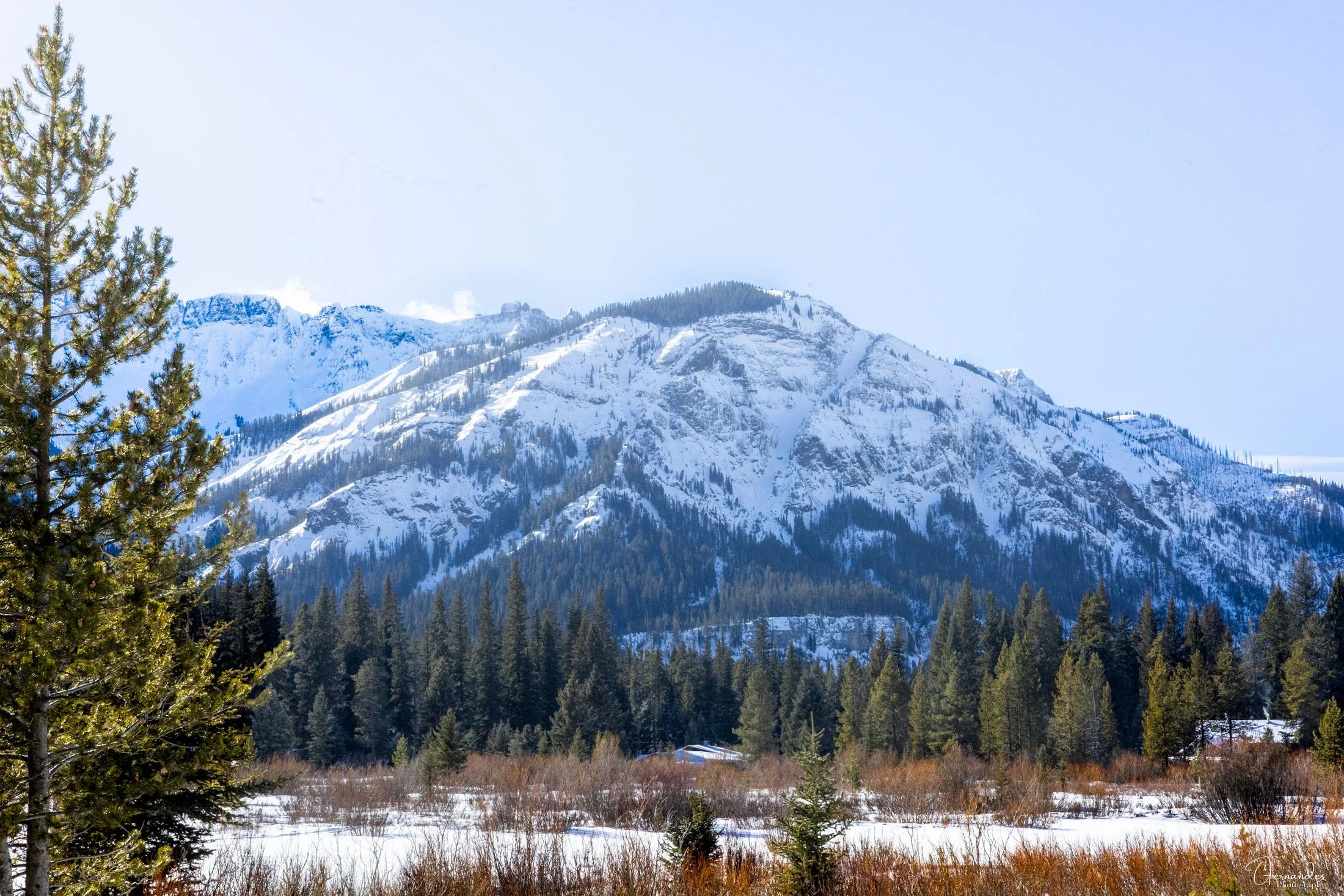
We visited in January during peak winter in Yellowstone when much of the park is locked away by snow. Temperatures hovered around -2 Fahrenheit. By any normal standard, that’s brutally cold, but by Yellowstone standards, it was almost reasonable. The kind of cold that makes you acutely aware of every exposed inch of skin, but also sharpens your senses. Everything feels more alive in the cold, including you.
During winter, the road from Gardiner to Cooke City is the only open stretch accessible to regular vehicles. That limitation turned out to be a gift. Instead of racing from landmark to landmark, we slowed down. We followed the Yellowstone River as it steamed and twisted through snow-covered valleys, pulled over often, and learned to watch the landscape rather than chase a checklist.
We stayed in Gardiner, which is just a few minutes from the park entrance. While most of the town is shut down, there are still plenty of good food options. We loved the Wonderland Cafe. Staff is great and its got a nice casual vibe about it. Tacocat, which is a relatively new eatery also had good food. They’re open late, which was convenient given we drove into Gardiner after the other restaurants had already closed for the night.
Photographing wildlife
I had this image in my head of Bison surviving in these extremely cold and difficult conditions. I knew exactly the type of scene I wanted to capture. If we were lucky, maybe just maybe we would be in a position to capture images of the rarely seen wolves in the park.
Bison were plenty in Lamar Valley. Snow on the other hand, not as much as I expected. That was disappointing because the scene I had in mind required plenty of snow. That’s how it goes sometimes. You learn to make the best with what nature gives you. Just being out there with the wildlife was a reward in itself.
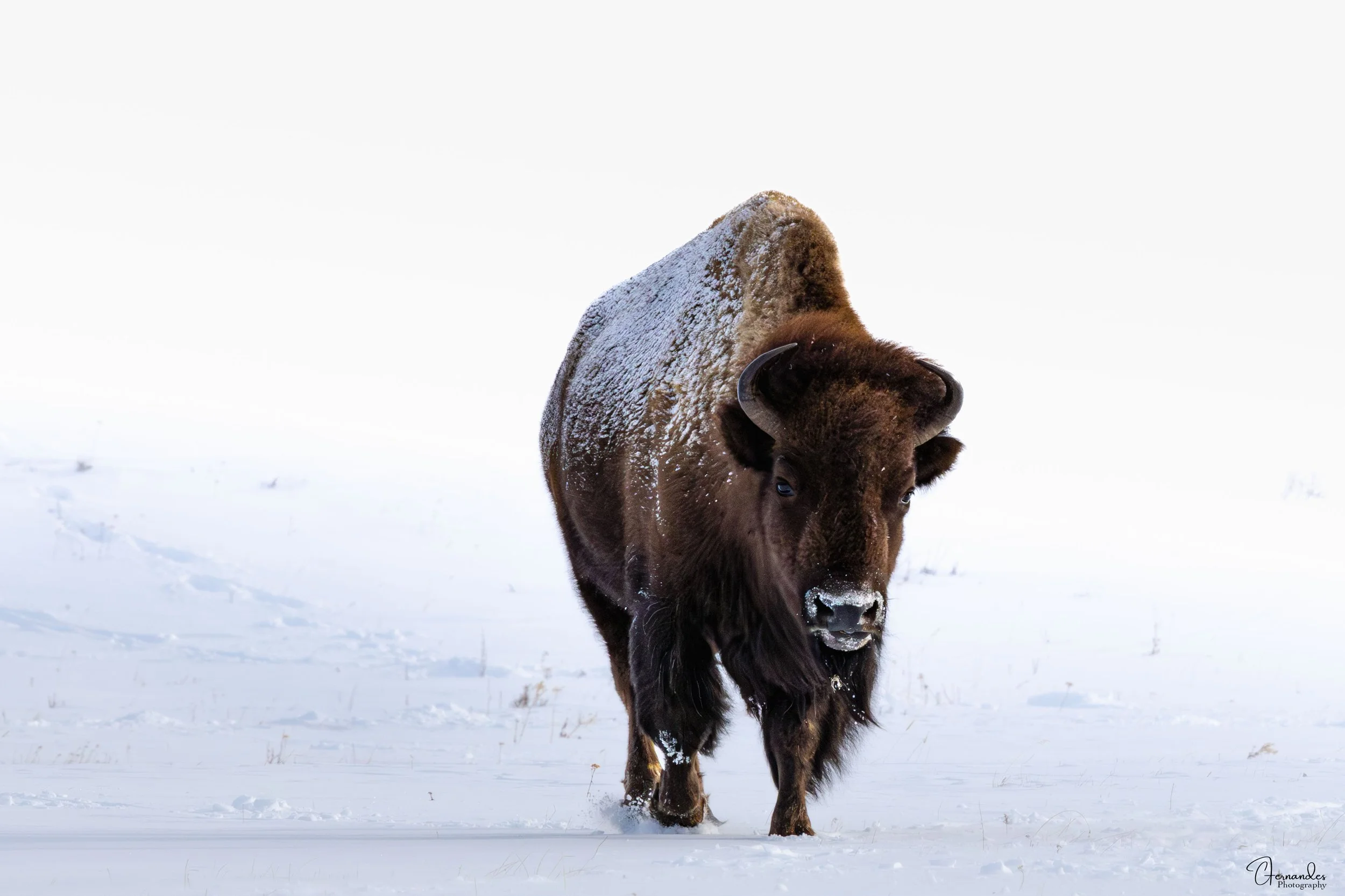
Bison were everywhere, moving deliberately across the snow, their massive heads hung low. As their breath met the cold air, they looked exactly as they should: ancient, stubborn, and perfectly adapted. Seeing them like this made it impossible not to think about conservation. These animals were once nearly wiped out, pushed to the brink of extinction. Today, Yellowstone is one of the strongholds where bison have truly returned as a functioning part of the ecosystem.
Watching them roam freely felt like witnessing a quiet conservation success story.
Please remember to respect the wildlife in the park. Bison may look docile but they can get aggressive if you get too close. These are strong and unpredictable animals. Here are some signs that should cause you to pause and back away from bison:
A straight-up or high tailed tail is a sign of agitation or imminent charge
Pawing, stomping feet or scraping the ground with their hooves
Swinging of the head while staring intently
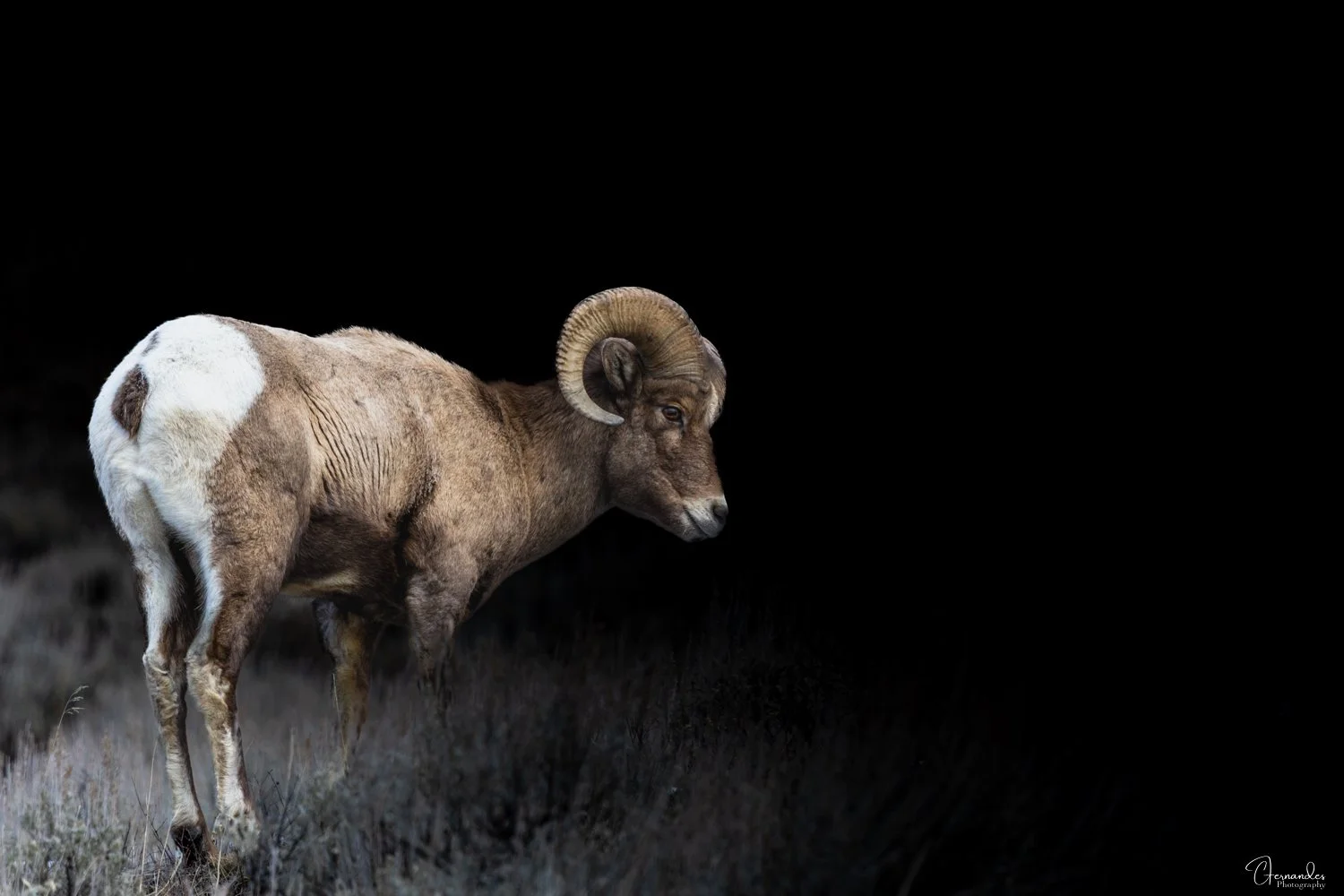
Over three days in the park, we scanned endlessly for wildlife. While we were lucky with bison, we weren’t as fortunate with some of Yellowstone’s more elusive residents. No wolves. No moose. No bull elk. In winter, spotting these animals requires patience, luck, and sometimes a willingness to accept disappointment. But somehow, the absence didn’t feel like a loss. The landscape with snow-covered ridges, frozen trees, and vast open spaces carried enough weight.
Then, on our final day, Yellowstone decided to give us one last moment.
As we were driving out of the park, we spotted a coyote feeding on a deer carcass just off the road. It was raw, unfiltered nature—no distance, no drama, just survival playing out in real time. The coyote paused occasionally, alert and cautious, then returned to its meal. It was a stark reminder that winter in Yellowstone is not just beautiful; it’s unforgiving. Life here continues because it must, not because it’s easy.
That moment became the perfect closing scene for the trip. After days of quiet observation, Yellowstone revealed itself fully as a living, breathing ecosystem shaped by cold, scarcity, and resilience.
Winter Yellowstone isn’t for everyone. It’s cold. It’s limited. It asks more of you than the summer version ever will. But in return, it offers something rare: solitude, authenticity, and a front-row seat to conservation in action. The bison are back. The predators are still out there, whether you see them or not. And the land, indifferent to comfort, continues to do exactly what it’s always done. Here are two of my favorite images from the trip:
Intimate portrait of a bison bull in black and white
Solitary tree reflection highlighting the hot springs in an otherwise bitterly cold landscape
If you’re willing to meet Yellowstone on its own terms, winter might just be the best time to see it.